What did they know then — not what do we know now?
Something goes wrong. Afterwards, we investigate. We know the outcome. We find the warning signs We identify what could have been done differently. And sometimes the better choice now looks obvious. How could they not have seen it? But there is a problem. We are looking backwards with information the original decision-maker didn't necessarily have. If we want to understand the decision, perhaps we should first try to reconstruct the position of the receiver who actually made it.Start with the receiver
Go back to the moment before the outcome was known. What was available? What became noticeable? What didn't? What did the receiver know? What did they believe? What was their model of normal? What alternatives could they see? What resources did they have? What pressures were they under? What did they judge to be consequential? These questions don't tell us whether someone was responsible. But tey give us a better position from which to make that judgment.Hindsight changes the receiver
Once we know what happened, we cannot completely unknow it. A faint signal can become obvious. An apparently routine event becomes significant. A decision that once appeared reasonable can look foolish. The outcome itself has become new information. So the receiver looking backwards is different from the receiver who originally looked forwards. Hindsight doesn't simply reveal the past. It changes the position from which we represent it. That difference is important.It was obvious
After an accident, mistake or failure, we often discover signals that were present beforehand. The information existed. But that's not quite the same as saying: The information was available to the receiver in a useful form. And even that isn't the same as: The receiver noticed it. And that isn't the same as: The receiver should reasonably have noticed it. Those are different questions. NL encourages us not to collapse them into one.What should they have noticed?
This is where responsibility returns. Saying: ‘They didn't notice it’ doesn't end the investigation. Perhaps they couldn't reasonably have noticed it. Perhaps their training should have made it available. Perhaps the signal was sufficiently clear that it deserved attention. Perhaps they noticed it and deliberately ignored it. Perhaps competing demands consumed the resources needed to investigate it. Perhaps their model of normal led them to interpret it as harmless. Perhaps they took an unreasonable risk. So we can ask: What became available? What reasonably should have become available? What deserved more resources? What did the receiver do with what they had? Those questions allow responsibility without pretending hindsight was available in advance.Decisions consume resources
Every investigation has a cost. Time. Attention. Effort. Money. Cognitive capacity. The decision-maker usually cannot investigate every possibility until uncertainty disappears. They eventually have to decide: I have enough. That threshold may later prove to have been too low. But hindsight should not erase the original resource problem. A useful question is not merely: Could they have investigated further? Usually they could. Ask: Given what was reasonably available at the time, did this deserve further investigation? That's a different judgment.A bad outcome doesn't prove a bad decision
You can make a careful, defensible judgment and get a bad outcome. You can make a reckless judgment and get lucky. The outcome matters. It gives us information. But it doesn't, by itself, tell us the quality of the original decision. To examine that, we need to return to then. What alternatives were represented? What differences were perceived? What evidence was available? What threshold was used? What uncertainty remained? What choice was made? Only afterwards do we add: And what happened?Responsibility isn't the same as guilt
There is another receiver involved: the person looking back at their own decision. I should have known. I should have seen it. If only I'd chosen B. Knowing the outcome can make the rejected alternative feel as though it should always have been obvious. And feeling guilty can be powerful evidence of how the person now represents what happened. But: Feeling guilty isn't itself proof of responsibility. Nor does an absence of guilt prove there was none. Responsibility requires judgment about what happened and what could reasonably have been expected of the receiver at the time.Just Culture
This is one reason the idea of a Just Culture is useful. The choice doesn't have to be: Blame the person or Blame the system. We can look more closely. Was this an understandable decision given what was available? Was an unreasonable risk taken? Was something repeatedly ignored? Did training fail to develop the resolution required? Did the environment make an important signal difficult to notice? Were resources being allocated elsewhere? Did the system make the wrong action easier than the right one? Different answers may imply different responsibilities and different opportunities to learn. The purpose isn't to make responsibility disappear. It is to locate it more carefully.What does hindsight give us?
Hindsight isn't the enemy. It is extraordinarily valuable. We now know something the earlier receiver didn't. The mistake would be to smuggle that information backwards and pretend it was equally available then. Instead: Use hindsight for learning, not for rewriting what was available. Now we can ask: What signal did we miss? Could it have been made more noticeable? Could training increase the receiver's resolution? Should a threshold change? Should resources be allocated differently? Could the environment be redesigned? Can we build a better model of normal? Hindsight gives the next receiver something the previous receiver didn't have. That's an opportunity.Could we get better at responsibility?
Perhaps by separating two questions that are easily confused: What do we know now? and: What could this receiver reasonably have known then? Reconstruct first. Judge second. Then learn. That doesn't guarantee a comfortable conclusion. Sometimes a careful reconstruction may make someone's behaviour more understandable. Sometimes it may make their responsibility clearer. The purpose isn't leniency or blame. It is a better representation of the decision we're trying to judge. And then, perhaps, something useful can come from what went wrong: A changed receiver. A changed system. A difference that becomes available earlier next time.
Responsibility &
Hindsight
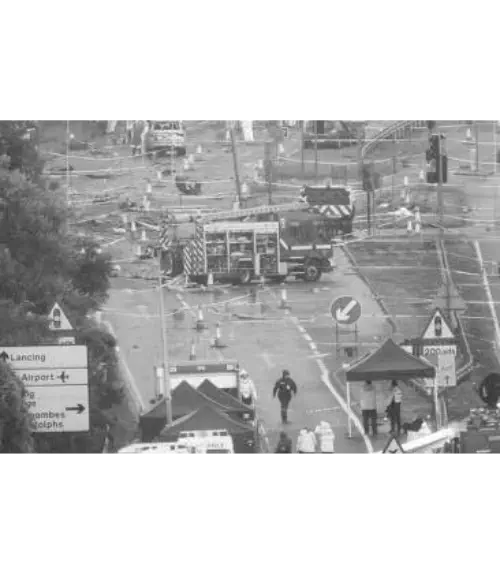
“It looks obvious now. Was it obvious then?”
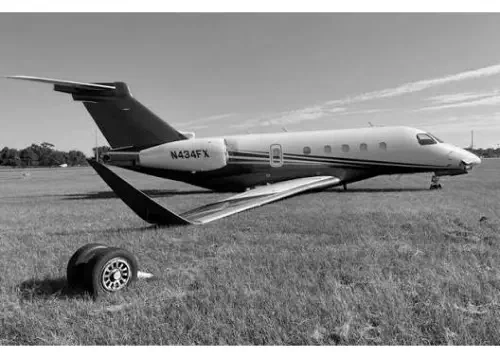
“A bad outcome does not necessarily
mean it was a bad decision.”


© The Noticing Loop - 2026






What did they know then — not
what do we know now?
Something goes wrong. Afterwards, we investigate. We know the outcome. We find the warning signs We identify what could have been done differently. And sometimes the better choice now looks obvious. How could they not have seen it? But there is a problem. We are looking backwards with information the original decision-maker didn't necessarily have. If we want to understand the decision, perhaps we should first try to reconstruct the position of the receiver who actually made it.Start with the receiver
Go back to the moment before the outcome was known. What was available? What became noticeable? What didn't? What did the receiver know? What did they believe? What was their model of normal? What alternatives could they see? What resources did they have? What pressures were they under? What did they judge to be consequential? These questions don't tell us whether someone was responsible. But tey give us a better position from which to make that judgment.Hindsight changes the receiver
Once we know what happened, we cannot completely unknow it. A faint signal can become obvious. An apparently routine event becomes significant. A decision that once appeared reasonable can look foolish. The outcome itself has become new information. So the receiver looking backwards is different from the receiver who originally looked forwards. Hindsight doesn't simply reveal the past. It changes the position from which we represent it. That difference is important.It was obvious
After an accident, mistake or failure, we often discover signals that were present beforehand. The information existed. But that's not quite the same as saying: The information was available to the receiver in a useful form. And even that isn't the same as: The receiver noticed it. And that isn't the same as: The receiver should reasonably have noticed it. Those are different questions. NL encourages us not to collapse them into one.What should they have noticed?
This is where responsibility returns. Saying: ‘They didn't notice it’ doesn't end the investigation. Perhaps they couldn't reasonably have noticed it. Perhaps their training should have made it available. Perhaps the signal was sufficiently clear that it deserved attention. Perhaps they noticed it and deliberately ignored it. Perhaps competing demands consumed the resources needed to investigate it. Perhaps their model of normal led them to interpret it as harmless. Perhaps they took an unreasonable risk. So we can ask: What became available? What reasonably should have become available? What deserved more resources? What did the receiver do with what they had? Those questions allow responsibility without pretending hindsight was available in advance.Decisions consume resources
Every investigation has a cost. Time. Attention. Effort. Money. Cognitive capacity. The decision-maker usually cannot investigate every possibility until uncertainty disappears. They eventually have to decide: I have enough. That threshold may later prove to have been too low. But hindsight should not erase the original resource problem. A useful question is not merely: Could they have investigated further? Usually they could. Ask: Given what was reasonably available at the time, did this deserve further investigation? That's a different judgment.A bad outcome doesn't prove a bad
decision
You can make a careful, defensible judgment and get a bad outcome. You can make a reckless judgment and get lucky. The outcome matters. It gives us information. But it doesn't, by itself, tell us the quality of the original decision. To examine that, we need to return to then. What alternatives were represented? What differences were perceived? What evidence was available? What threshold was used? What uncertainty remained? What choice was made? Only afterwards do we add: And what happened?Responsibility isn't the same as
guilt
There is another receiver involved: the person looking back at their own decision. I should have known. I should have seen it. If only I'd chosen B. Knowing the outcome can make the rejected alternative feel as though it should always have been obvious. And feeling guilty can be powerful evidence of how the person now represents what happened. But: Feeling guilty isn't itself proof of responsibility. Nor does an absence of guilt prove there was none. Responsibility requires judgment about what happened and what could reasonably have been expected of the receiver at the time.Just Culture
This is one reason the idea of a Just Culture is useful. The choice doesn't have to be: Blame the person or Blame the system. We can look more closely. Was this an understandable decision given what was available? Was an unreasonable risk taken? Was something repeatedly ignored? Did training fail to develop the resolution required? Did the environment make an important signal difficult to notice? Were resources being allocated elsewhere? Did the system make the wrong action easier than the right one? Different answers may imply different responsibilities and different opportunities to learn. The purpose isn't to make responsibility disappear. It is to locate it more carefully.What does hindsight give us?
Hindsight isn't the enemy. It is extraordinarily valuable. We now know something the earlier receiver didn't. The mistake would be to smuggle that information backwards and pretend it was equally available then. Instead: Use hindsight for learning, not for rewriting what was available. Now we can ask: What signal did we miss? Could it have been made more noticeable? Could training increase the receiver's resolution? Should a threshold change? Should resources be allocated differently? Could the environment be redesigned? Can we build a better model of normal? Hindsight gives the next receiver something the previous receiver didn't have. That's an opportunity.Could we get better at
responsibility?
Perhaps by separating two questions that are easily confused: What do we know now? and: What could this receiver reasonably have known then? Reconstruct first. Judge second. Then learn. That doesn't guarantee a comfortable conclusion. Sometimes a careful reconstruction may make someone's behaviour more understandable. Sometimes it may make their responsibility clearer. The purpose isn't leniency or blame. It is a better representation of the decision we're trying to judge. And then, perhaps, something useful can come from what went wrong: A changed receiver. A changed system. A difference that becomes available earlier next time.
Responsibility &
Hindsight
“It looks obvious now. Was it obvious then?”
“A bad outcome does not necessarily
mean it was a bad decision.”