Stick, twist or test the waters?
We face decisions about change throughout our lives.
Should we leave a job, move home, begin or end a relationship, change our lifestyle, or reconsider something we've believed for
years?
Perhaps we want to stop smoking, drink less, lose weight or become more active. Or perhaps we're considering a change at work,
in our family or in the way we live.
Sometimes the choice seems obvious. But often it isn't.
Our present situation may not be particularly good. Yet it may be ‘good enough’ to continue.
An alternative might be better. But changing takes effort, may involve giving something up and comes with uncertainty.
How do we decide whether to stay as we are or try something different?
The Noticing Loop offers some questions that may help.
When good enough keeps us where we are
Imagine someone who isn't particularly happy in their job.
The work is uninteresting. The opportunities are limited. Their manager
can be difficult.
But the salary is reasonable, the benefits are acceptable and they know
what to expect.
It's not great. But it's not terrible either.
They could look for another job. Yet that would take time and effort,
and there's no guarantee that the next job would be better.
So they stay.
That may be a perfectly reasonable decision.
But there's something worth examining.
Are they staying because they've considered the alternatives, or simply because the present has become familiar?
Better the devil you know?
We often have a much clearer picture of our present circumstances than of the alternatives.
We know the frustrations of our current job, relationship, home or routine. We've learned to live with them.
The alternative is less familiar.
We may imagine its benefits while overlooking its difficulties. Or we may exaggerate its risks because we don't know what to
expect.
Two familiar sayings capture some of this tension.
The grass is always greener on the other side.
Better the devil you know.
Both encourage caution, but neither tells us whether changing would actually be better.
The grass might be greener. Or it might not.
The question is how we can make a reasonable judgment with the information available.
Staying has costs too
We tend to notice the costs of change.
Changing jobs might involve financial uncertainty. Moving home may
be expensive and disruptive. Trying a new approach could mean
abandoning something that already works reasonably well.
But staying also has possible costs.
We might miss opportunities, continue with an avoidable problem or
allow a situation to deteriorate.
And these costs may be less obvious because they accumulate
gradually.
A useful question is:
Am I comparing the costs of changing with the costs of staying, or am I treating staying as if it costs nothing?
The comparison also depends on what matters to us.
More money, greater security, less stress, more freedom or better long-term opportunities may each lead to a different judgment.
Better in what sense? Better for whom? And over what period?
We don't always have to choose between staying and leaving
Sometimes we treat change as a single, difficult decision.
Stay in the job or resign. Keep the existing system or replace it. Continue as before or start again.
But there may be other possibilities.
Someone considering a career change could talk to people doing the work, take a course or try a short assignment.
A business could test a new approach on a small scale before introducing it more widely.
Someone considering moving to another city might spend time there, experiencing ordinary daily life rather than simply visiting as
a tourist.
In other words, we can test the waters.
A small experiment may help us discover things we couldn't have known simply by thinking about the alternative.
Of course, a short trial won't necessarily tell us what the long-term experience will be like. And some changes cannot easily be
tested or reversed.
But where an experiment is possible, it may help us reduce uncertainty before making a larger commitment.
Is it worth finding out?
This introduces an important distinction.
We may not know enough to justify changing our circumstances.
But we might know enough to justify investigating an alternative.
Those are different decisions, with different costs and thresholds.
Consider three questions:
1.
Is my present situation good enough to continue?
2.
Is an alternative promising enough to investigate?
3.
Do I know enough to commit to changing?
We don't have to answer all three at once.
And investigating doesn't always lead to change. We may discover that our present circumstances are better than we thought.
That, too, can be useful learning.
When should we reconsider?
Perhaps we decided some time ago that staying was the reasonable choice.
Nothing may have been wrong with that decision.
But things change.
A new opportunity appears. The cost of moving falls. Our priorities shift. Something we once accepted begins to trouble us.
Or perhaps nothing about the present situation changes, but we learn something new about an alternative.
What was previously good enough may no longer be good enough.
That doesn't mean we should constantly reconsider every decision. Our time and attention are limited.
But it may be worth asking: What would give me a reason to revisit this decision?
Sometimes a new problem catches our attention. Sometimes it's a new possibility.
A reasonable decision, not a guaranteed outcome
Even after careful investigation, we cannot know exactly how a change will turn out.
We may make a well-informed decision to change and later regret it.
Or we may decide to stay and subsequently discover that another option would have worked better.
That doesn't automatically mean the original decision was unreasonable.
A reasonable decision is one made on sufficiently sound grounds, with appropriate consideration, at an appropriate time, given
what could reasonably have been known and achieved in the circumstances.
Reasonable doesn't mean optimal. It means good enough for the circumstances.
The outcome matters, particularly for learning. But we should be careful not to judge an earlier decision solely by what happened
afterwards.
Questions worth exploring
The Noticing Loop doesn't tell us whether to change. It offers questions that may help us examine the choice.
Noticing
•
What has made me consider changing?
•
Has something become worse, or have I noticed a new possibility?
•
Have I become accustomed to something I would previously have questioned?
Judging
•
What do I value about the present situation?
•
What might be better about the alternative?
•
What am I assuming about each?
•
What are the costs and risks of staying as well as changing?
•
What does better mean to me?
Deciding
•
Do I know enough to make a change?
•
Would it be reasonable to investigate further?
•
Could I try something small or reversible first?
•
What would justify staying, waiting or acting now?
Learning
•
What did I expect to happen?
•
What actually happened?
•
What surprised me?
•
What have I learned about the alternative — or about what matters to me?
•
Should this experience change how I approach similar decisions?
These are possible questions, not a checklist. Different situations will call for different questions.
Change isn't always an improvement
Change can bring opportunities, but it can also introduce new problems.
Staying can be sensible. So can leaving. So can waiting, investigating or trying something on a small scale.
The Noticing Loop doesn't favour change over stability.
It offers a way to examine what we notice, how we compare the alternatives, what we judge to be good enough and what we learn
from the outcome.
We don't need to know that an alternative is better before deciding that it's worth finding out.
Change
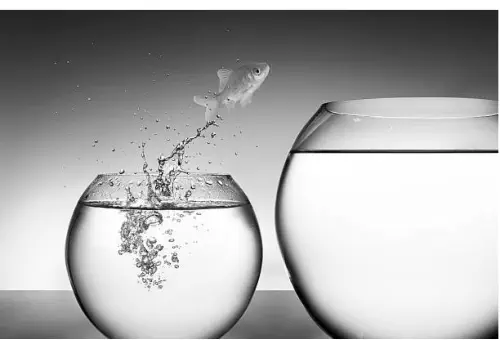
The grass is always greener?

Stick or Twist?


© The Noticing Loop - 2026





- Potential Uses
- Learning
- Training
- Intelligence & Assessment
- Expertise & Diagnosis
- Creativity & Discovery
- Communication
- Agreement & Disagreement
- Trust & Deception
- Sales & Competition
- Opinions & Surveys
- Responsibility & Hindsight
- Teams & Organisations
- Safety
- Risk & Uncertainty
- Artificial Intelligence
- Change



Stick, twist or test the
waters?
We face decisions about change throughout our lives.
Should we leave a job, move home, begin or end a
relationship, change our lifestyle, or reconsider
something we've believed for years?
Perhaps we want to stop smoking, drink less, lose
weight or become more active. Or perhaps we're
considering a change at work, in our family or in the
way we live.
Sometimes the choice seems obvious. But often it
isn't.
Our present situation may not be particularly good.
Yet it may be ‘good enough’ to continue.
An alternative might be better. But changing takes
effort, may involve giving something up and comes
with uncertainty.
How do we decide whether to stay as we are or try
something different?
The Noticing Loop offers some questions that may
help.
When good enough
keeps us where we are
Imagine someone who isn't particularly happy in their
job.
The work is uninteresting. The opportunities are
limited. Their manager can be difficult.
But the salary is reasonable, the benefits are
acceptable and they know what to expect.
It's not great. But it's not terrible either.
They could look for another job. Yet that would take
time and effort, and there's no guarantee that the
next job would be better.
So they stay.
That may be a perfectly reasonable decision.
But there's something worth examining.
Are they staying because they've considered the
alternatives, or simply because the present has
become familiar?
Better the devil you
know?
We often have a much clearer picture of our present
circumstances than of the alternatives.
We know the frustrations of our current job,
relationship, home or routine. We've learned to live
with them.
The alternative is less familiar.
We may imagine its benefits while overlooking its
difficulties. Or we may exaggerate its risks because
we don't know what to expect.
Two familiar sayings capture some of this tension.
The grass is always greener on the other side.
Better the devil you know.
Both encourage caution, but neither tells us whether
changing would actually be better.
The grass might be greener. Or it might not.
The question is how we can make a reasonable
judgment with the information available.
Staying has costs too
We tend to notice the costs of change.
Changing jobs might involve financial uncertainty.
Moving home may be expensive and disruptive. Trying
a new approach could mean abandoning something
that already works reasonably well.
But staying also has possible costs.
We might miss opportunities, continue with an
avoidable problem or allow a situation to deteriorate.
And these costs may be less obvious because they
accumulate gradually.
A useful question is:
Am I comparing the costs of changing with the
costs of staying, or am I treating staying as if it
costs nothing?
The comparison also depends on what matters to us.
More money, greater security, less stress, more
freedom or better long-term opportunities may each
lead to a different judgment.
Better in what sense? Better for whom? And over
what period?
We don't always have
to choose between
staying and leaving
Sometimes we treat change as a single, difficult
decision.
Stay in the job or resign. Keep the existing system or
replace it. Continue as before or start again.
But there may be other possibilities.
Someone considering a career change could talk to
people doing the work, take a course or try a short
assignment.
A business could test a new approach on a small scale
before introducing it more widely.
Someone considering moving to another city might
spend time there, experiencing ordinary daily life
rather than simply visiting as a tourist.
In other words, we can test the waters.
A small experiment may help us discover things we
couldn't have known simply by thinking about the
alternative.
Of course, a short trial won't necessarily tell us what
the long-term experience will be like. And some
changes cannot easily be tested or reversed.
But where an experiment is possible, it may help us
reduce uncertainty before making a larger
commitment.
Is it worth finding out?
This introduces an important distinction.
We may not know enough to justify changing our
circumstances.
But we might know enough to justify investigating an
alternative.
Those are different decisions, with different costs and
thresholds.
Consider three questions:
1.
Is my present situation good enough to continue?
2.
Is an alternative promising enough to investigate?
3.
Do I know enough to commit to changing?
We don't have to answer all three at once.
And investigating doesn't always lead to change. We
may discover that our present circumstances are
better than we thought.
That, too, can be useful learning.
When should we
reconsider?
Perhaps we decided some time ago that staying was
the reasonable choice.
Nothing may have been wrong with that decision.
But things change.
A new opportunity appears. The cost of moving falls.
Our priorities shift. Something we once accepted
begins to trouble us.
Or perhaps nothing about the present situation
changes, but we learn something new about an
alternative.
What was previously good enough may no longer be
good enough.
That doesn't mean we should constantly reconsider
every decision. Our time and attention are limited.
But it may be worth asking: What would give me a
reason to revisit this decision?
Sometimes a new problem catches our attention.
Sometimes it's a new possibility.
A reasonable decision,
not a guaranteed
outcome
Even after careful investigation, we cannot know
exactly how a change will turn out.
We may make a well-informed decision to change and
later regret it.
Or we may decide to stay and subsequently discover
that another option would have worked better.
That doesn't automatically mean the original decision
was unreasonable.
A reasonable decision is one made on sufficiently
sound grounds, with appropriate consideration, at an
appropriate time, given what could reasonably have
been known and achieved in the circumstances.
Reasonable doesn't mean optimal. It means
good enough for the circumstances.
The outcome matters, particularly for learning. But we
should be careful not to judge an earlier decision
solely by what happened afterwards.
Questions worth
exploring
The Noticing Loop doesn't tell us whether to change.
It offers questions that may help us examine the
choice.
Noticing
•
What has made me consider changing?
•
Has something become worse, or have I noticed a
new possibility?
•
Have I become accustomed to something I would
previously have questioned?
Judging
•
What do I value about the present situation?
•
What might be better about the alternative?
•
What am I assuming about each?
•
What are the costs and risks of staying as well as
changing?
•
What does better mean to me?
Deciding
•
Do I know enough to make a change?
•
Would it be reasonable to investigate further?
•
Could I try something small or reversible first?
•
What would justify staying, waiting or acting now?
Learning
•
What did I expect to happen?
•
What actually happened?
•
What surprised me?
•
What have I learned about the alternative — or
about what matters to me?
•
Should this experience change how I approach
similar decisions?
These are possible questions, not a checklist. Different
situations will call for different questions.
Change isn't always an
improvement
Change can bring opportunities, but it can also
introduce new problems.
Staying can be sensible. So can leaving. So can
waiting, investigating or trying something on a small
scale.
The Noticing Loop doesn't favour change over stability.
It offers a way to examine what we notice, how we
compare the alternatives, what we judge to be good
enough and what we learn from the outcome.
We don't need to know that an alternative is
better before deciding that it's worth finding
out.
Change
USE IT. ADAPT IT. TEST IT.
The grass is always greener?

Stick or Twist?